


A rough shift may seem minor at first, just a slight jerk or a brief delay. Many drivers tend to ignore these signs and continue driving as if nothing is wrong. However, the reality is that hard shifting is your transmission signaling a serious issue, and ignoring it often leads to costly problems down the line. Minor problems turn into major repairs fast, and transmission repair costs increase with every mile you put off the fix. At Affordable Transmissions in West Valley City, we see this pattern all the time. Catching hard shifting early keeps your wallet happy and your car running smoothly for years to come.
What Hard Shifting Really Means
Hard shifting occurs when your transmission slams, jerks, or hesitates between gears instead of shifting smoothly. You might feel a clunk when moving from park to drive, or a hard bang between second and third gear. Sometimes the engine revs high before the gear finally catches. None of this is normal, and it points to a problem building underneath the surface.
How Ignoring Issues Leads to Bigger Repairs
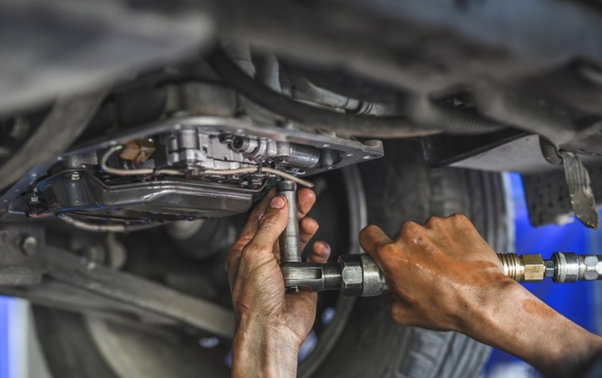
Skipping a checkup for hard shifting doesn’t make the issue go away. It gives it room to grow. Low or dirty transmission fluid, worn solenoids, or a failing valve body all start small. Left alone, these problems wear down gears, clutches, and bands inside the transmission. Once metal starts grinding against metal, you’re no longer looking at a simple fix. You’re looking at a full rebuild or even a replacement, and transmission repair prices jump way higher once internal damage sets in.
The Hidden Costs of Delay
Delaying a repair can lead to higher costs later on and impact you in other ways as well.
- Reduced fuel efficiency from a transmission working overtime
- Sudden breakdowns that leave you stranded and needing a tow
- Damage spreading to other parts like the engine or differential
- Lower resale value if you ever plan to sell the car
- More time off the road while a small fix turns into a major job
All of these costs add up, and none of them are inexpensive.
Why Early Diagnosis Saves Money
Catching hard shifting early is the smartest move a driver can make. A quick diagnostic check can spot low fluid, a bad sensor, or a worn solenoid before it wrecks the whole system. Fixing these small parts costs a fraction of a full rebuild. Comparing transmission repair prices for early repairs versus late-stage rebuilds tells the whole story: waiting almost always costs more.
What Affordable Transmissions Does Differently
Our team at Affordable Transmissions checks every vehicle honestly, without pushing unnecessary work. We explain what’s going on in plain language, show you the problem, and give you a fair, upfront transmission repair cost before we touch a single bolt. With decades in the business and ASE-certified techs on hand, we catch hard-shifting issues before they turn into a full-blown transmission failure.
Don’t Wait For A Minor Issue To Turn Into A Large Expense
Don’t let a small jerk or hesitation turn into a costly headache down the road. Give Affordable Transmissions a call today, and let our team take a look before hard shifting turns into a bigger bill. Your transmission deserves attention now, not after it fails.
FAQs
What causes hard shifting in a transmission?
Hard shifting usually comes from low or dirty fluid, worn solenoids, a failing valve body, or damaged gears. Each of these disrupts smooth gear changes and worsens over time without proper diagnosis and repair from a trusted technician.
Is it safe to drive with hard shifting?
Driving with hard shifting isn’t safe for long. It can lead to sudden power loss, stalling, or complete transmission failure. Getting it checked quickly protects both your safety and your wallet from bigger repair bills later.
How much does transmission repair typically cost?
Costs vary widely based on the issue. Minor fixes like fluid changes cost far less than solenoid replacement or a full rebuild. An early diagnosis keeps costs lower and prevents expensive surprises down the road.
Can hard shifting fix itself over time?
No, hard shifting never fixes itself. Without proper repair, the issue keeps getting worse and spreads to other transmission parts. Ignoring the warning signs almost always leads to bigger, more expensive problems later on.
How often should I get my transmission checked?
Get your transmission checked at every routine service visit, or right away if you notice jerking, delays, or grinding. Regular checkups catch small problems early, saving you money and keeping your vehicle reliable longer.