


A failing transmission does not always mean your vehicle needs a full replacement. In some cases, worn internal parts cause the trouble while the main transmission case remains in good shape. A Transmission rebuild in West Valley City, UT can restore those parts and bring back smoother operation.
At Affordable Transmissions, we start by finding the source of the problem. Then, we check the transmission to see if rebuilding makes sense. This approach helps us focus on the actual damage instead of replacing parts without a clear reason.
What Does a Transmission Rebuild Involve?
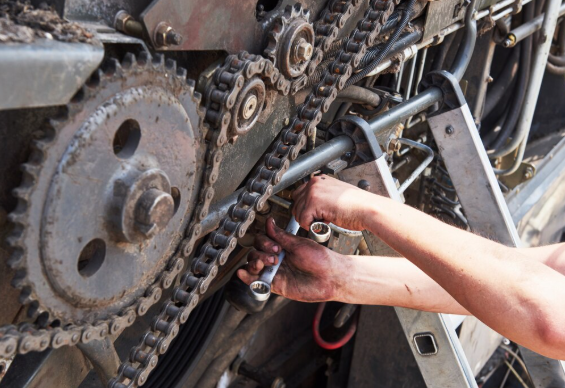
A rebuild involves removing the transmission, taking it apart, and checking its internal parts. We clean the usable components and replace parts with excessive wear or damage. We then put the unit back together and test its operation.
The exact work depends on the vehicle and the condition of its transmission. A rebuild might include new seals, gaskets, clutches, bands, bearings, or other worn parts. The goal is to restore proper function while keeping sound components in service.
Which Transmission Problems Can a Rebuild Correct?
1. Slipping Gears
A slipping transmission might cause the engine speed to rise while the vehicle does not gain speed as expected. Worn clutch packs, bands, seals, or low hydraulic pressure can contribute to this issue.
During a rebuild, we inspect these internal parts for wear. Replacing damaged components helps the transmission hold each gear with the pressure it needs.
2. Hard or Rough Shifting
A vehicle that jerks, bangs, or struggles during gear changes needs attention. Internal wear, damaged clutch parts, valve body problems, or pressure issues can affect shift quality. A rebuild gives us access to the parts inside the transmission. We can inspect them, replace worn components, and restore the unit based on its actual condition.
3. Delayed Engagement
You shift into Drive or Reverse, but the vehicle takes several seconds to respond. Delayed engagement points to a transmission problem worth checking.
Worn seals and clutch components can affect hydraulic pressure inside the unit. A transmission rebuild lets us address damaged internal parts and restore proper fluid pressure when those components are responsible for the fault.
4. Transmission Fluid Leaks
Fluid leaks can come from seals, gaskets, or other damaged components. A small leak might seem harmless at first, but low fluid levels can lead to heat and internal wear. During a rebuild, we inspect the transmission for worn seals and gaskets. Replacing failed sealing parts helps prevent fluid loss and protects the rebuilt unit.
5. Strange Noises
Grinding, whining, humming, or clunking sounds should not be ignored. Damaged bearings, gears, or other internal parts could create these sounds. We inspect the transmission after disassembly to locate worn components. Parts in poor condition can then be replaced before the unit returns to service.
When Is a Rebuild a Good Option?
A rebuild makes sense when the transmission has repairable internal damage and the main housing and other major components remain usable. It is not the right fix for every transmission failure.
We consider the vehicle’s symptoms, inspection results, mileage, transmission design, and extent of damage before recommending a repair path. In some cases, a rebuild provides a practical way to restore the original transmission.
A Transmission rebuild in West Valley City, UT should start with proper diagnosis. Guesswork can lead to unnecessary repairs or leave the real problem untouched.
What Happens During the Rebuild Process?
At Affordable Transmissions, we follow a careful process rather than rushing through the job.
The general process includes:
- Diagnosing the transmission and confirming the source of the problem
- Removing and disassembling the unit for internal inspection
- Cleaning components and checking gears, clutches, bearings, seals, and other parts
- Replacing damaged or worn components
- Reassembling the transmission and checking fluid passages and related parts
- Testing the rebuilt unit before returning it to the vehicle
Each transmission has its own needs. We base the repair on what we find inside the unit.
How Do You Know a Rebuild Is Needed?
Warning signs can point to internal transmission trouble. Watch for delayed gear engagement, slipping, rough shifts, fluid leaks, burning smells, or unusual sounds. A warning light can provide another reason to schedule a diagnostic check.
Still, symptoms alone do not tell the whole story. Several transmission faults can produce similar signs. A proper inspection helps separate one problem from another. If internal wear is the source, a transmission rebuild could restore reliable operation without replacing the entire unit.
Get Your Transmission Checked Today
Transmission trouble rarely fixes itself. If your vehicle slips, shifts hard, leaks fluid, or makes unusual sounds, bring it to Affordable Transmissions for a proper diagnosis. We inspect the unit and explain the repair options based on what we find.
If a Transmission rebuild in West Valley City, UT fits your vehicle’s needs, our team is ready to help. Contact Affordable Transmissions today to schedule an inspection and get your vehicle back on the road with a transmission built to perform.
FAQs
1. How long does a transmission rebuild take?
Repair time depends on the vehicle, transmission design, parts availability, and extent of damage. After diagnosis and disassembly, we can give a better idea of the work involved and expected completion time.
2. Is a rebuilt transmission reliable?
A properly rebuilt transmission can provide dependable service when technicians replace worn parts, follow correct procedures, and test the completed unit. Maintenance and proper fluid care still play an important role after installation.
3. What parts are replaced during a transmission rebuild?
The parts depend on the damage found during disassembly. A rebuild might include seals, gaskets, clutch packs, bands, bearings, or other worn components. We replace parts based on inspection results.
4. Is rebuilding better than replacing a transmission?
Neither option works best in every case. A rebuild suits some repairable units, while severe damage could call for replacement. We inspect the transmission first and recommend the option that fits its condition.
5. What should I do if my transmission starts slipping?
Schedule a diagnostic inspection soon. Continued driving with a slipping transmission can increase heat and internal wear. Early testing gives us a chance to identify the source before the damage grows.