



A clutch connects the engine to a manual transmission and helps your vehicle move through each gear. Over time, clutch parts wear down from heat and friction. Small changes in pedal feel or gear engagement can signal trouble. Spotting these signs early gives you a chance to address the problem before driving becomes difficult or a breakdown leaves you stuck. A timely clutch replacement can restore smooth power transfer and help protect other transmission parts.
Affordable Transmissions helps drivers understand clutch problems and choose the right repair based on the vehicle’s needs. Here are key signs worth watching.
How Do You Know Your Clutch Is Wearing Out?
Clutch wear does not always happen all at once. You might notice one symptom at first, followed by other changes as the clutch wears further.
1. The Engine Revs Without Normal Acceleration
One of the clearest signs of clutch slip is a rise in engine speed without a matching increase in vehicle speed. You press the accelerator, the RPM climbs, yet the car does not pick up speed as expected.
This problem becomes easier to notice while climbing a hill or accelerating from a stop. A worn clutch disc often fails to grip the flywheel with enough force, allowing engine power to slip instead of reaching the wheels.
2. Gears Become Hard to Engage
A healthy clutch should disengage smoothly when you press the pedal. If first gear or reverse becomes difficult to select, the clutch system deserves attention.
Grinding during gear changes is another warning sign. A clutch that fails to release fully keeps power moving through the transmission when it should not. Continued driving under these conditions puts extra strain on transmission components.
3. The Clutch Pedal Feels Different
Changes in pedal feel can point to clutch trouble. The pedal might feel unusually soft, stiff, sticky, or difficult to press.
Pay attention to changes in pedal travel, too. A clutch that engages very close to the top of the pedal’s movement could have significant wear. Hydraulic issues, cable problems, or worn clutch parts can produce similar symptoms, so proper diagnosis matters.
4. You Smell Something Like Burning Material
A strong burning smell after driving through heavy traffic, climbing steep roads, or carrying a heavy load deserves attention. Excess clutch slipping creates heat, which can produce a burnt odor.
Do not ignore repeated smells. Continued slipping increases heat and friction inside the clutch assembly. A technician should inspect the system to determine whether the clutch disc, pressure plate, flywheel, or another component needs service.
What Sounds Should You Take Seriously?
Unusual sounds provide useful clues. A squeal, chirp, grinding noise, or rattling sound when pressing or releasing the clutch pedal points to a problem worth checking.
A worn release bearing is one possible source. Other noises could come from the clutch disc, pressure plate, flywheel, or related parts. Sound alone does not identify the failed component, so a proper inspection is the best way to narrow down the cause.
Why Should You Fix Clutch Problems Early?
Ignoring clutch symptoms rarely makes the problem disappear. As wear increases, slipping and poor engagement could become harder to manage. A damaged clutch can create excess heat and place stress on related transmission components.
Early diagnosis gives a technician a chance to determine whether adjustment, hydraulic service, or manual transmission clutch repair is appropriate. In cases of severe wear, replacing the clutch assembly offers a longer-term solution.
A repair plan should account for the clutch disc, pressure plate, release bearing, flywheel condition, and hydraulic or cable system. Replacing only one worn part is not always the best approach.
What Happens During Clutch Service?
A technician starts with a diagnosis rather than replacing parts based on symptoms alone. The vehicle receives an inspection to identify the source of the trouble.
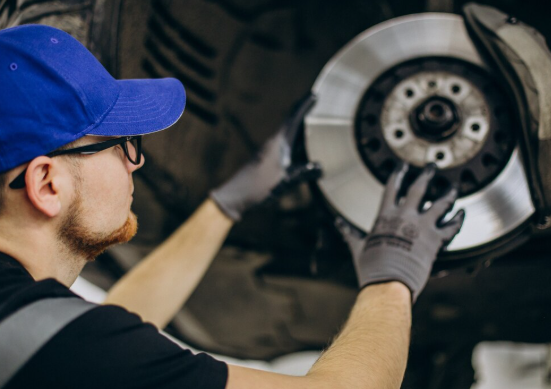
If the clutch assembly needs replacement, the transmission must be separated from the engine to reach the clutch components. The technician then checks the related parts for wear or damage. The flywheel receives close attention since its surface affects clutch engagement.
Proper installation matters. Incorrect alignment or missed related issues could lead to poor clutch operation after the repair.
How Does Driving Style Affect Clutch Wear?
Clutch life varies with vehicle use and driving habits. Holding the car on a hill with the clutch pedal, resting a foot on the pedal, or riding the clutch creates extra friction.
Stop-and-go traffic puts repeated demands on the clutch. Heavy loads and frequent hill starts add more heat. Using the clutch with care helps reduce unnecessary wear and gives the system a better chance at a long service life.
Get Your Clutch Checked Before the Problem Grows
A slipping clutch, strange pedal feel, burning odor, difficult gear changes, or unusual noises should not become part of your daily drive. Early diagnosis helps identify the source and prevents unnecessary strain on the transmission.
Affordable Transmissions provides professional transmission and clutch service with a focus on accurate diagnosis and practical repairs. Contact us today to schedule an inspection and find out whether your vehicle needs clutch replacement or another repair.
FAQs
1. How long does a clutch usually last?
Clutch life depends on driving habits, traffic, vehicle type, load, and road conditions. Some clutches last well beyond 100,000 miles, while heavy stop-and-go use or poor habits could shorten service life.
2. Is it safe to drive with a slipping clutch?
A slipping clutch should not be ignored. Continued driving creates heat and increases wear. The vehicle could eventually lose its ability to transfer engine power properly, leaving you unable to drive safely.
3. How much does clutch replacement cost?
The price depends on the vehicle, clutch design, labor time, parts required, and flywheel condition. A shop should inspect the vehicle first and provide an estimate based on the actual repair needs.
4. Does a clutch replacement include the flywheel?
Not every clutch job requires flywheel replacement. A technician checks the flywheel for heat damage, cracks, warping, or surface wear. Resurfacing or replacement depends on its condition and the manufacturer’s requirements.
5. What is included in manual transmission clutch repair?
Manual transmission clutch repair could involve the clutch disc, pressure plate, release bearing, flywheel service, hydraulic components, or cable adjustment. The exact work depends on the fault found during diagnosis.